
A travel warning, and a post about the ripple effects of the ongoing conflict between Israel and Iran inspired me to write a few lines here.
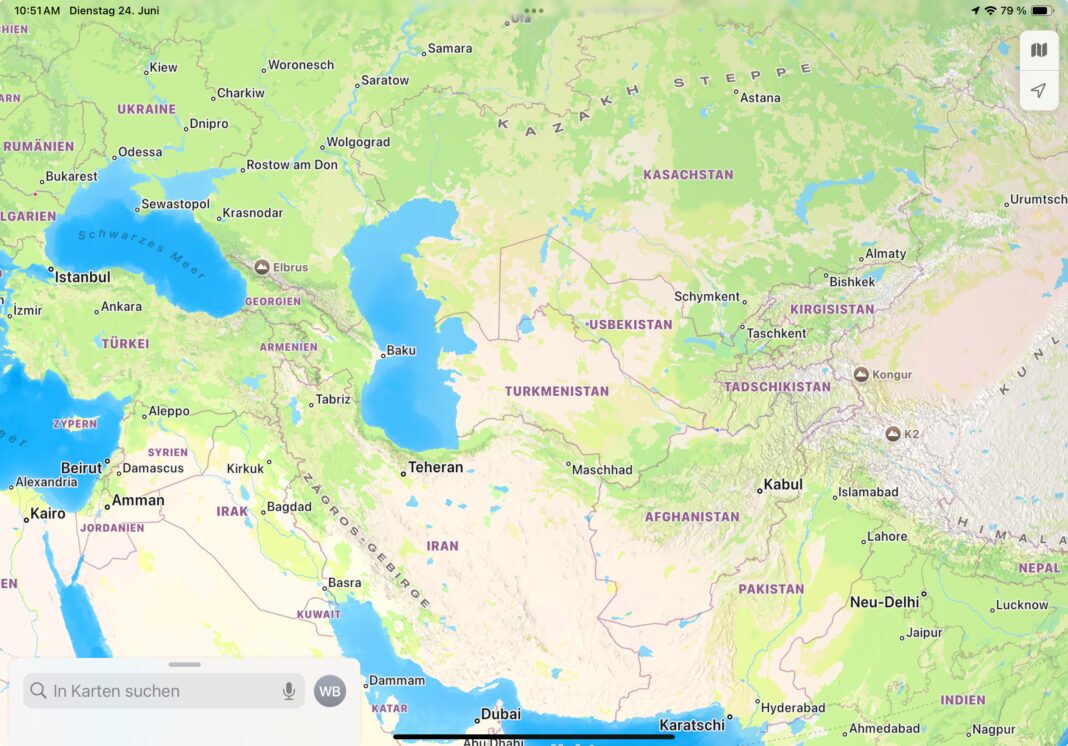
From a European perspective, the conflict is geographically far. This is quite different for the countries in Central Asia. Iran is a neighbor, and Israel is a country with a lot of connections and ties with Central Asia.
Central Asia as a region (#Kazakhstan, #Uzbekistan, #Kyrgyzstan, #Tajikistan, #Turkmenistan) is peaceful now, and stable. All five countries have agreed to have good relations with their neighbors. Some years ago this was different. But now they work together, coordinate, build new connections and trade routes. Russia’s war in Ukraine has even accelerated integration politics in Central Asia.
Ripple effects
The ongoing conflict between Iran and Israel, now intensified by the engagement of the U.S. strikes on Iran, brings up implications ranging deeply into Central Asia, a region balancing between all great powers, balancing historic ties with Iran, and pragmatic cooperation with Israel.
Iran, as a neighbor, shares energy delivering corridors, and plans for better connectivity. Israel and Central Asia have mutual interests, especially in security, water management, and agriculture.
In the recent years, these topics have lost a bit of momentum, in favor of China´s engagement, and great investments in infrastructure. Also Turkey has become more important as a cultural and economic partner.
Energy and Trade
Turkmenistan has a gas swap deal with Iran, and can also deliver gas to Turkey, and to Iraq.
Uzbekistan, in need to have access to open seas, and international trade routes, has an agreement with Iran to use the port of Chabahar as a trade route.
A disruption through war or regime change could severely damage the delicate balance of Central Asia´s foreign politics, in favor of neighboring great powers. If the conflict between Israel and Iran continues, the stability of the whole region of Central Asia is at stake.
The EU has a strong interest in stability in Central Asia, as it has been working for many years to improve and intensify trade and relations.