

The scenario is one we have been afraid of for long time:
The street of Hormuz is closed. And on top of that: There is war in the Near East.
Nobody knows for how long. It could be just a few days, it could be for weeks, or maybe even several months.
„The risks surrounding the Strait of Hormuz pose a threat to the global economy if the conflict continues“ is stated in a press release by Coface, a global leading player in trade credit risk management.
Unfortunately, it is not in our European hands to limit, or to end the war. It is not in the hands of the US either. It is in the hands of several parties involved in fighting with and in Iran.
The longer the fighting lasts, the more grave, and far reaching consequences will be.
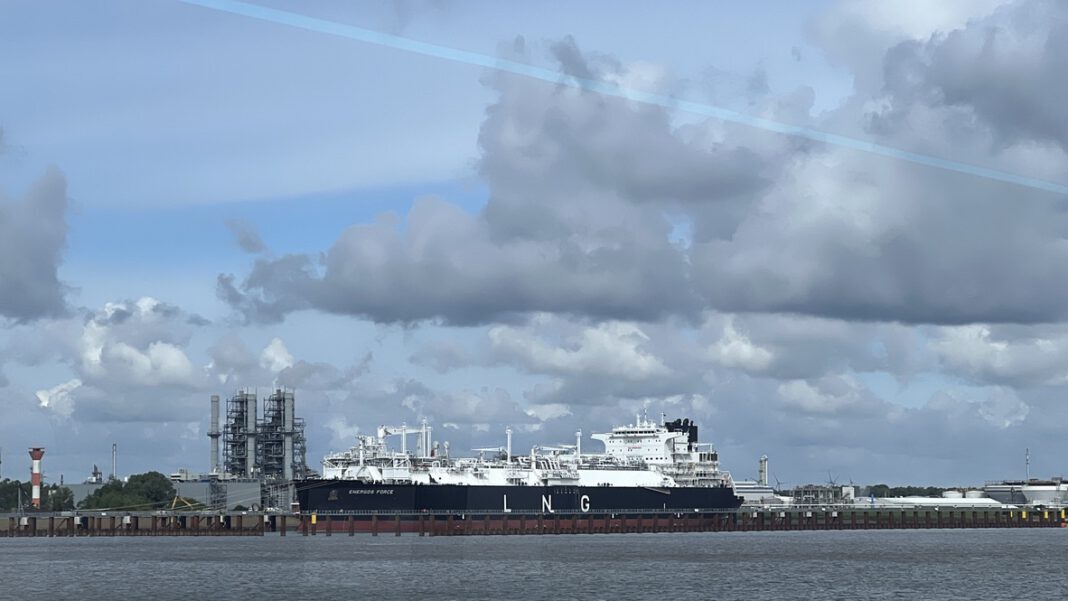
The street of Hormuz and the Suez Canal are crucial for the transport of liquefied natural gas (LNG), fertilisers, industrial metals (aluminium) and petrochemicals. It is the trade route to international markets. This gradual disruption of supply chains poses a growing risk of shortages and inflationary pressures, particularly for economies that are most dependent on energy imports.
The winter is over, so the need may not be quite as urgent as it would have been in fall. Oil and gas consumption is lower in summer. Home heating is not in need. But then it is the industry that has to keep running.
Also, the gas storages need to be refilled for the next season. This usually happens during summer, when prices are low.
If the closure will last for several months, the available and scarce amounts of carbohydrates from other parts of the world would be very expensive, as they would have to come from other parts of the world, and on other transport lines. Even if the source would be same
Higher prices could be affordable in rich and well developed countries, but what about those, who cannot afford to pay a higher prices.
Higher prices would also refill Moscow´s financial capacities, and thereby its finances for war in Ukraine.
Another grave consequence of the closure of the street of Horus is rarely thought of, but very important, as experts from Coface mention in their and press statement from March 3, 2026.
The route is a most important line for the transport of fertilizers, a major producer being Saudi Arabia. Now, in spring, fertilizers are in high season, to be put out in the field and support the growth of grain. Missing fertilizer would have severe consequences on the output of the crops in summer. If there is hardly any available at the time when it is needed, prices will go up, as a rule of the market. Again it will be the poor countries, and their population, that will suffer the most.
For the world economy, the scenario of rising oil prices above $ 100 could trigger a global inflation, and become a serious threat to business and international trade.
Besides the economic scenario, there are severe geopolitical implication resulting from the War – a topic that will be discussed later.